
Blog
Understanding Peptide Blends in Laboratory Research

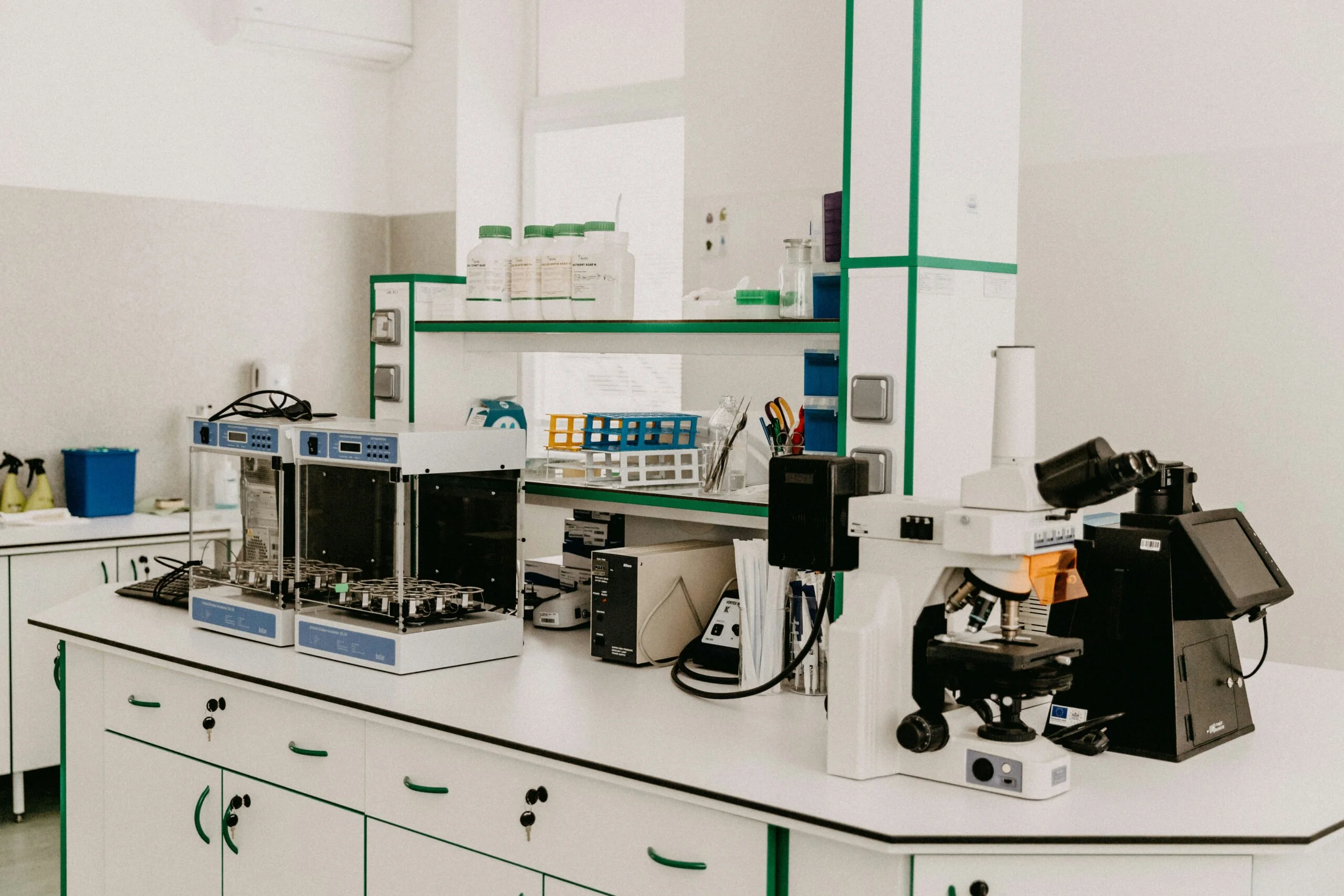
Peptide Blends Research Overview
Peptide blends research focuses on multi-peptide formulations studied in laboratory environments to understand signalling pathways and biological interaction systems.
In addition, researchers use peptide blends to examine how multiple compounds interact within controlled experimental models. Therefore, this area of study continues to grow in peptide based laboratory research.
At Axis Therapies, we supply Independently tested research peptides and peptide blends. Moreover, with strict attention to purity, consistency, and research appropriate standards.
Internal reference:
What Are Peptide Blends?
Peptide blends combine multiple synthetic peptides into a single formulation designed for laboratory investigation.
Researchers commonly study:
• multi pathway signalling interaction
• peptide communication systems
• cellular response models
• structural protein interaction
• biological signalling behaviour
Furthermore, peptide blends allow researchers to observe how compounds behave together under controlled conditions.
Common Peptide Blends in Research
BPC-157 + TB-500
Researchers frequently study this combination in laboratory environments. In particular, it is used in models involving peptide interaction and cellular response systems.
Common research areas include:
• signalling pathway interaction
• cellular communication models
• structural protein behaviour
• biological response systems
GHK-Cu / BPC-157 / TB-500 Blend
The GHK-Cu / BPC-157 / TB-500 Blend combines three peptides into a single research formulation. In addition, it is studied in complex biological modelling systems.
Researchers examine:
• peptide metal interaction
• extracellular matrix systems
• multi pathway signalling
• controlled interaction models
Why Researchers Study Peptide Blends
Researchers study peptide blends because biological systems rarely operate through a single pathway. Instead, multiple signalling systems interact simultaneously.
Therefore, peptide blends help researchers:
• study multi pathway interactions
• model complex biological systems
• observe peptide synergy
• improve experimental realism
For example, researchers may compare single peptide responses with multi peptide combinations to analyse differences in biological signalling.
Laboratory Standards
Modern peptide blends research depends on strict quality systems. Therefore, laboratories focus on:
• high purity manufacturing
• controlled production environments
• transparent documentation
• consistent experimental materials
Moreover, these standards improve reproducibility and reliability.
Independently Tested Research Peptides
Axis Therapies supplies research peptides that are independently tested by a third-party laboratory.
All compounds are intended strictly for laboratory research use only.
Research Use Notice
All products are intended for laboratory and scientific research only. They are not intended for:
• human use
• veterinary use
• therapeutic application
• cosmetic use
• clinical or diagnostic administration
visit our website axistherapies.co